Setting up an Arlo Essential XL for llama trekking base camps in 2026 comes down to three priorities: long battery runtime, a weatherproof mount that survives wind and dust, and a reliable signal path back to a hub or hotspot. Position the XL on a sturdy pole 8-10 feet above the picket line, angle it to cover the tack pile, feed bags, and trail approach, then back it up with at least one secondary camera so you have overlapping coverage if one unit fails. Below we cover the exact placement, gear, and pairing strategy that works in alpine meadows and high desert camps.
Quick Setup Summary for Pack-String Base Camps
Top Picks
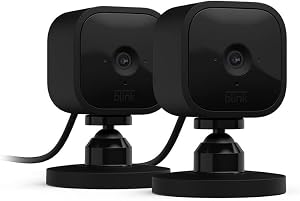
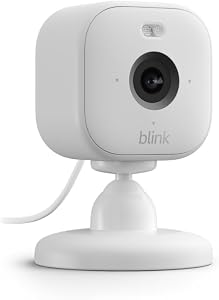

Llama trekking base camps are unique because they combine livestock supervision with gear security in places that almost never have reliable Wi-Fi. The Arlo Essential XL was designed for households, so adapting it for trailhead corrals takes a little planning. Most outfitters and recreational packers we talk to end up running the XL as the primary cam over the high-line, then deploying smaller battery cams from Blink or aosu to cover panniers, the cook tent, and the trail-in approach. That redundancy matters: a startled llama can knock over a single tripod, but a three-camera mesh gives you angles even if one is bumped.
Why the Arlo Essential XL Works Here
The XL's appeal for a trekking base camp is the extended battery (Arlo rates it up to a year on light use), 2K HDR sensor, built-in spotlight, and a color night-vision mode that helps confirm whether you're looking at a llama, a curious mule deer, or something with claws. When you set up the Arlo Essential XL for llama trekking base camps, dial motion sensitivity down to roughly 40-50% so swaying tarps and grazing animals don't drain the battery, and create activity zones that ignore the picket line itself while still flagging anything crossing the perimeter.
Connectivity: The Hidden Cost of Going Remote
Arlo cameras need either a SmartHub or a 2.4 GHz Wi-Fi network to upload clips. At a backcountry camp that almost always means a cellular hotspot or a Starlink Mini. Before the trip, test the XL paired with your hotspot at home, then verify uplink speeds at the actual trailhead the day before you ride in. Plan on roughly 1-2 GB of cellular data per camera per day with motion-only recording at 2K; cut that in half by dropping to 1080p in the Arlo app if your data plan is tight.
Power Planning
Even with the XL's long battery life, a 7-10 day pack trip rarely lets you babysit charge levels. Bring a 20W folding solar panel and the official Arlo solar adapter, or stage a 20,000 mAh USB-C power bank with the magnetic charge cable. For camps near a horse trailer or jeep-accessible staging area, a deep-cycle 12V battery with a USB inverter will keep two or three cameras topped off indefinitely.
Comparison: Battery Cameras That Pair Well With the Arlo XL
You don't want a single point of failure when llamas, gear, and a week of remote rations are on the line. The cameras below are the most popular companion picks for outfitters running an Arlo Essential XL as the anchor cam.

| Camera | Battery Life | Resolution | Best Role at Camp | Weather Rating |
|---|---|---|---|---|
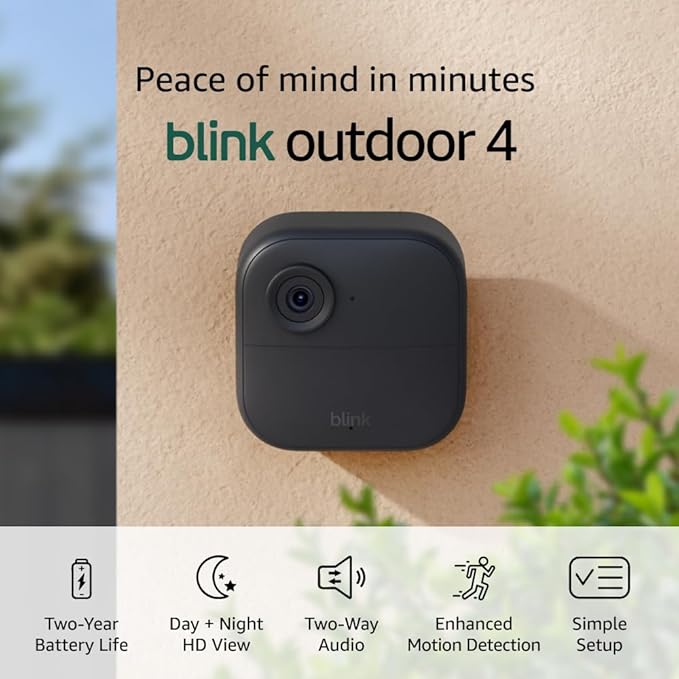
| Blink Outdoor 4 (2-yr battery) | Up to 2 years | 1080p HDR | Pannier/saddle pile cam | IP65 |
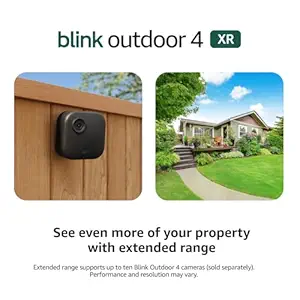
| Blink Outdoor 4 XR (4-cam) | Up to 2 years | 1080p HDR, extended range | Perimeter mesh | IP65 |
| Blink Outdoor 2K+ | Up to 2 years | 2K | Trail-in approach cam | IP65 |
| aosu T2 Pro Dual Cam | Solar + battery | 3K dual lens | Wide picket-line overview | IP66 |
| Arlo Essential XL (anchor) | Up to 12 months | 2K HDR | High-line / tack tent | IP65 |
Our Picks for the Companion Cameras
Best Overall Pannier Cam: Blink Outdoor 4
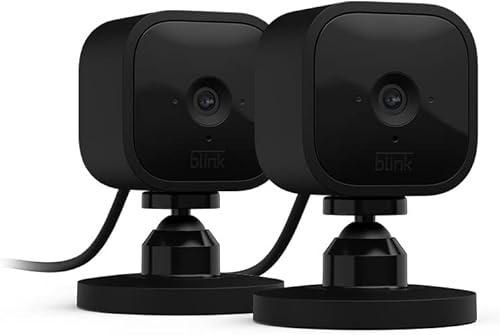
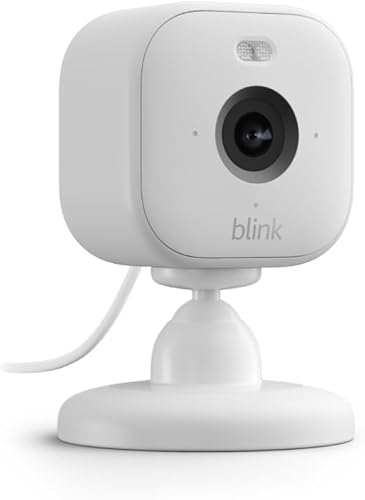
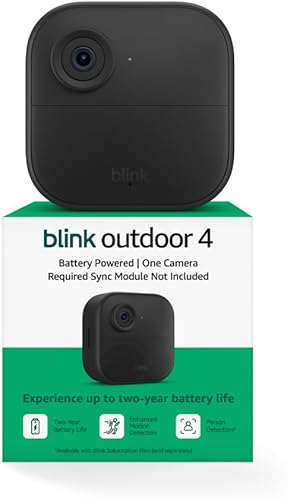
The Blink Outdoor 4 is the workhorse most packers we know reach for as a second camera. It's tiny, light enough to lash to a tree limb with paracord, and the two-year AA lithium runtime means you can leave it staged at a base camp between trips without worrying. Pair it with your Arlo hotspot or carry the Blink Sync Module 2 in a Pelican case to keep it running on its own subsystem in case the Arlo hub goes down. Check current price: Blink Outdoor 4 on Amazon.
Best Perimeter Mesh: Blink Outdoor 4 XR 4-Cam System
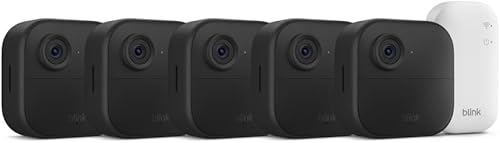
If you're guiding clients and need to cover a large staging area - hitch rails, cook tent, water source, and the trail approach - the four-camera XR kit gives you redundant coverage at a per-camera cost lower than buying additional Arlo units. The XR variant is tuned for longer wireless range, which matters when your sync module sits in the cook tent and the cameras are spread across 100+ feet of meadow. Grab the bundle here: Blink Outdoor 4 XR 4-Cam Kit.
Best 2K Detail Cam: Blink Outdoor 2K+
When you want sharp face/plate detail on a trail-in approach - say to ID a vehicle that pulls up at the staging area or to confirm which llama wandered off - step up to the Blink 2K+. It still runs on the same two-year battery platform as the rest of the Blink line, so your spares stay interchangeable. See it here: Blink Outdoor 2K+.
Best Dual-Lens Overview: aosu T2 Pro 3K
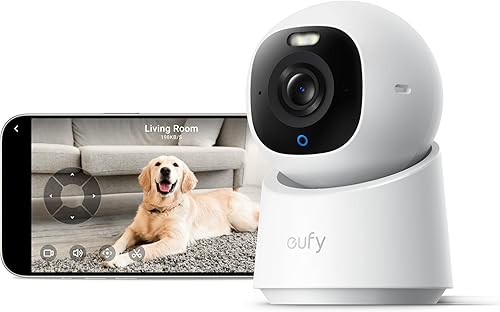
The aosu T2 Pro is the wildcard pick that's earning a following with hunters and outfitters. Its dual-lens design gives you a wide-angle view of the entire picket line plus a tighter detail shot in the same frame, and it ships with a solar panel included - a real advantage when you're using the Arlo Essential XL for llama trekking base camps and don't want to babysit power on every device. The IP66 housing tolerates the dust kicked up by stock animals better than most consumer cams. Take a look: aosu T2 Pro 3K Dual Cam.
Best Three-Pack for a Mid-Size Camp: Blink Outdoor 4 System
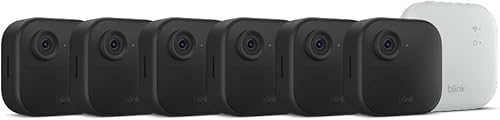
For two- to four-llama operations, a three-camera Blink system covers tack, picket line, and approach without overbuilding. It's the easiest "unbox and deploy" option if you're brand new to outdoor cameras. See the bundle: Blink Outdoor 4 System.
Step-by-Step: Mounting the Arlo XL at a Base Camp
- Pick the pole. A 10-foot section of EMT conduit driven 2 feet into the ground, or a lashed lodgepole pine, gives you a stable mount that llamas can't reach.
- Aim with overlap. Frame the high-line, the feed buckets, and at least one walk-in path. Use the Arlo app's live preview while a partner walks the area.
- Set activity zones. Mask out branches and tarp edges that flutter in the wind - these are the #1 source of false triggers and battery drain.
- Lock the spotlight. Set it to motion-triggered, low brightness. Llamas spook at strobe-level light, and you don't need a Vegas marquee to deter coyotes.
- Test the upload. Trigger a test event and confirm it lands in the Arlo app over your hotspot before you ride deeper into the country.
Weatherproofing and Wildlife Considerations
The Arlo XL is rated IP65, which handles rain and snow but not full submersion. In high-altitude camps where afternoon thunderstorms are routine, add a 3D-printed or silicone weather shroud over the top of the camera body to keep direct precipitation off the lens. Bears and rodents have been known to chew USB charge cables; route any solar cabling through metal conduit or thick split loom for the last few feet to the camera. For more on hardening cameras against animal damage, see our guide on outdoor camera mounting for livestock areas.
Storage and Privacy at Trailheads
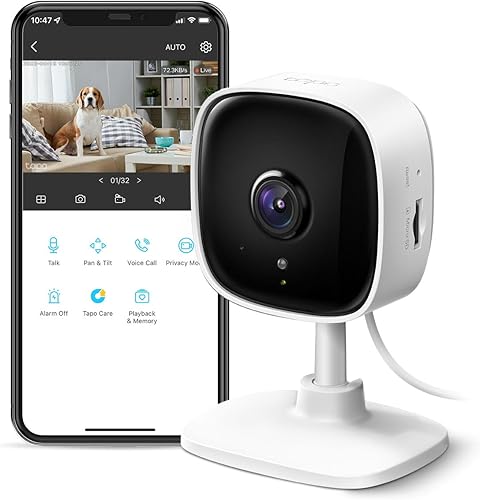
Arlo Secure cloud subscriptions store events for 30 days, but if your hotspot drops you'll lose anything not yet uploaded. The XL doesn't have local SD storage, which is the single biggest argument for pairing it with a Blink or aosu camera that does. For deeper coverage of recording strategy on the trail, our writeup on cellular trail cameras for pack trips walks through the tradeoffs.
Frequently Asked Questions
Can the Arlo Essential XL run without Wi-Fi at a remote camp?
Not directly. The XL needs either a SmartHub with internet or a Wi-Fi network it can join. At a backcountry camp you'll provide that connection with a cellular hotspot, Starlink Mini, or a satellite-fed mesh router. The camera itself doesn't have a cellular radio.
How long will the Arlo Essential XL battery last at a base camp?
Arlo rates the XL battery for up to a year of light use, but llama camps generate constant motion. Expect 6-10 weeks of continuous deployment if motion zones are tuned tightly, less if you keep the spotlight on auto. Plan on supplementing with a solar panel for trips longer than a week.
Will the Arlo XL scare my llamas with its spotlight or siren?
Llamas are generally calm but startle at sudden bright light or loud audio. Disable the siren entirely at a base camp, and set the spotlight to its lowest brightness with a short on-time. The infrared night vision alone is enough for most wildlife identification.
What's the best companion camera if I already own an Arlo Essential XL?
For most packers, the Blink Outdoor 4 is the easiest pairing - cheap enough to deploy in pairs, two-year battery life, and a separate ecosystem that won't go dark if your Arlo hub fails. The Blink Outdoor 4 on a tree branch covering the panniers is a classic combo.
How do I keep cameras working through alpine weather?
Mount under a small drip shield, use silica packs inside any external battery housings, and keep solar panels at a steep enough tilt that snow slides off. In sustained sub-freezing weather, lithium batteries lose capacity quickly, so plan to swap to fresh AAs in Blink units mid-trip if temperatures stay below 20F.
Is the aosu T2 Pro a real alternative to the Arlo XL?
It's a strong alternative for the overview role specifically. The dual-lens design captures a wider field with built-in detail zoom, and the included solar panel removes the recharge problem entirely. Many users running the Arlo Essential XL for llama trekking base camps add an aosu T2 Pro as the secondary wide cam rather than buying a second Arlo. See it: aosu T2 Pro.
Do I need a cellular plan dedicated to my cameras?
A shared hotspot works fine if you're disciplined. Cap each camera's resolution at 1080p, turn off continuous recording, and the total monthly data for three cameras typically lands under 25 GB. For longer expeditions, a dedicated prepaid SIM in a rugged hotspot is the safer call. Our backcountry hotspot guide covers the specifics.
Final Take
The Arlo Essential XL is a smart anchor camera for trailhead and base camp setups - good resolution, long battery, weatherproof body. The reason packers don't rely on it alone is simple: at a llama trekking camp, redundancy beats specifications. Pair the XL with a Blink Outdoor 4 or the aosu T2 Pro, plan your power and uplink before you ride in, and you'll have eyes on the stock and the gear from anywhere with cell service. That's the practical 2026 answer for anyone deploying an Arlo Essential XL for llama trekking base camps this season.
Key Takeaways
- Choosing the right Arlo Essential XL for llama trekking base camps means matching capacity and output ports to your actual devices
- Always check actual watt-hours (Wh), not just watts — runtime depends on Wh, not peak output
- Also covers: Arlo Essential XL backcountry camp
- Also covers: llama outfitter camera setup
- Also covers: remote trekking base camp surveillance
- Compare price-per-Wh across models to find the best value for your budget