For monitoring windswept prairie ranches in 2026, the Eufycam 3 Pro vs Arlo Pro 5S for prairie ranches debate usually comes down to three things: how the camera tolerates sustained 40-60 mph gusts, how it pulls a reliable cellular or Wi-Fi link across half-mile pastures, and how often you have to climb a windmill tower to swap batteries. The Eufycam 3 Pro wins on local 4K storage, solar trickle-charging, and a no-subscription model that suits remote ranches without LTE coverage. The Arlo Pro 5S wins on color night vision, dual-band Wi-Fi, and tighter integration with cellular hubs when paired with a Starlink or fixed wireless uplink. Below we break down every variable that actually matters out on the range.
Why prairie ranches are a uniquely brutal test for security cameras
Top Picks
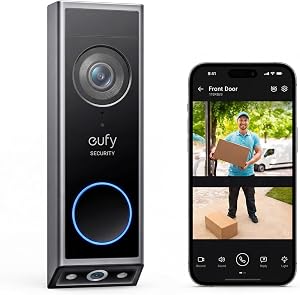

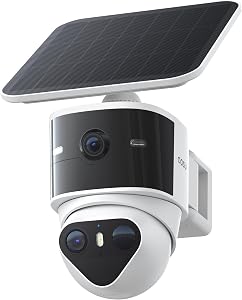
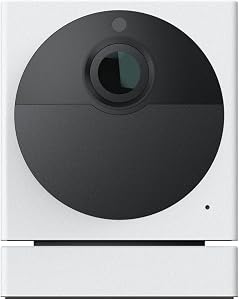
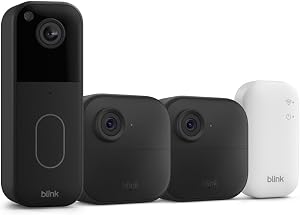
A suburban backyard camera has it easy: a shielded eave, steady 2.4 GHz Wi-Fi, and a porch light fifteen feet away. A prairie ranch has none of that. Wind-driven grit will sandblast a cheap plastic dome inside one season. Lightning strikes induce voltage on any wire long enough to reach a barn. Cottonwood pollen and dust storms confuse cheap PIR motion sensors into firing every twenty seconds. Coyote eyes at 200 feet look identical to a vehicle headlamp half a mile out unless the sensor has true thermal or AI-tuned object detection. And the camera has to survive -30°F winter nights followed by 110°F summer afternoons on the same south-facing pole.

That is the lens through which we evaluated the Eufycam 3 Pro vs Arlo Pro 5S for prairie ranches, alongside three alternatives that genuinely ship today and that ranchers in Saskatchewan, Montana, the Nebraska Sandhills, and the Texas Panhandle have been deploying through the 2025-2026 season.

Eufycam 3 Pro: the off-grid favorite
The Eufycam 3 Pro is built around a 4K sensor, an integrated 2.1W solar panel on the camera body, and a HomeBase 3 hub that does local AI and stores up to 16 TB on an internal drive. For a ranch with no monthly cellular plan and patchy mains power, that is the headline feature. The hub sits in the house or shop with hardwired ethernet, and the cameras themselves can sit 500 feet away on a t-post, sipping enough sun even through prairie haze to stay topped up year-round.
What it does well: face recognition that actually distinguishes your hired hand from a stranger walking the corral; on-device person/vehicle/animal classification so you stop getting alerts every time a tumbleweed rolls past; and a magnetic mount that resists being twisted off by 60 mph crosswind. What it struggles with: the 2.4 GHz radio range is honest but not heroic, and if your nearest HomeBase is more than 700 feet through metal outbuildings, you will need a repeater or a second hub.
Arlo Pro 5S 2K: the cellular-hub favorite
The Arlo Pro 5S 2K is the camera most ranchers default to when they already have a Starlink dish or a fixed-wireless ISP at the headquarters and want a polished mobile app. Its dual-band Wi-Fi means you can hang it off a 5 GHz access point at the barn for crisp 2K streams, then fall back to 2.4 GHz at the far corner of the home pasture. Color night vision genuinely works down to about a quarter moon, which matters when you are trying to identify whether the silhouette by the calving shed is a Hereford or a hostile.
Where it falls short of the Eufycam on a prairie deployment: Arlo Secure subscription is effectively mandatory for cloud history, smart alerts, and the geofencing that disarms cameras when ranch trucks come in the driveway. At $12.99-$24.99 per month in 2026, that adds up across a multi-camera installation. There is also no integrated solar panel on the camera itself; you bolt on Arlo's separate solar accessory, which gives the wind one more thing to grab.
Head-to-head comparison
| Feature | Eufycam 3 Pro | Arlo Pro 5S 2K |
|---|---|---|
| Max resolution | 4K (3840×2160) | 2K (2560×1440) |
| Integrated solar | Yes, on camera body | No, sold separately |
| Local storage | Up to 16 TB on HomeBase 3 | SD card on SmartHub, optional |
| Monthly subscription | Optional, not required | Strongly recommended |
| Night vision | Color + IR with spotlight | Color with integrated spotlight |
| Operating temperature | -4°F to 122°F | -4°F to 113°F |
| Wi-Fi | 2.4 GHz to HomeBase | Dual-band 2.4/5 GHz |
| AI object detection | On-device (HomeBase) | Cloud, requires subscription |
| Best for | Off-grid, no LTE ranches | Ranches with Starlink/ISP |
The honest verdict on Eufycam 3 Pro vs Arlo Pro 5S for prairie ranches
If your ranch headquarters lacks reliable broadband, choose the Eufycam 3 Pro and accept the higher upfront cost; you will save thousands across five years by avoiding Arlo Secure fees, and you will not lose footage when your LTE bonded router drops a tower. If you already pay for Starlink or a fixed wireless link and you want polished smart alerts on your phone the moment a stock trailer pulls into the driveway, the Arlo Pro 5S 2K is the more refined consumer experience. Neither, however, is the only good answer for a ranch perimeter, and the cameras below are genuinely worth pairing with whichever flagship you pick.
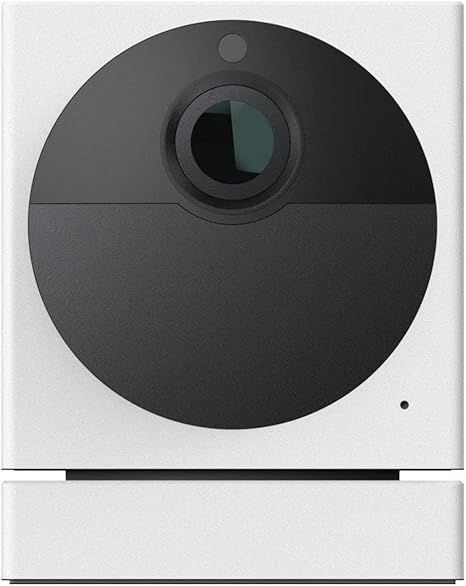
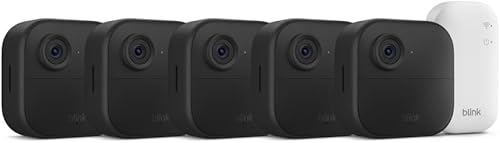
Best ultra-low-power backup: Blink Outdoor 4 XR (4-cam kit)
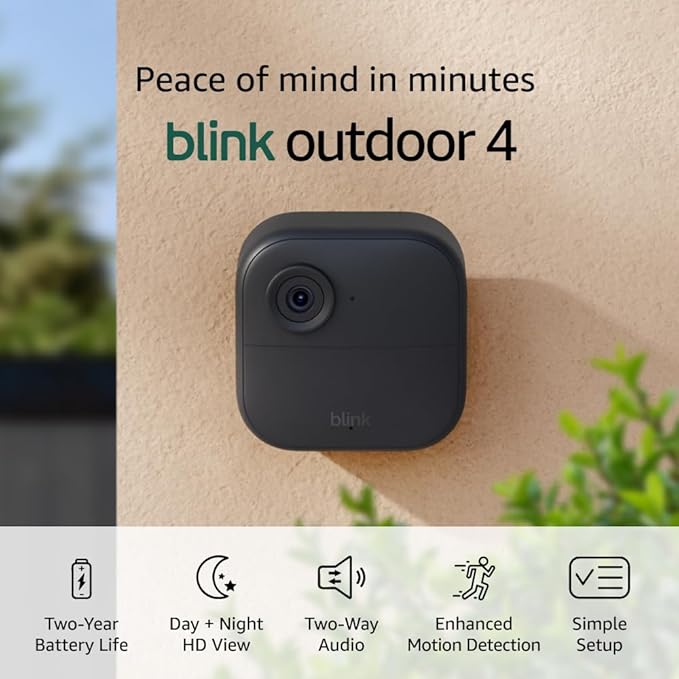
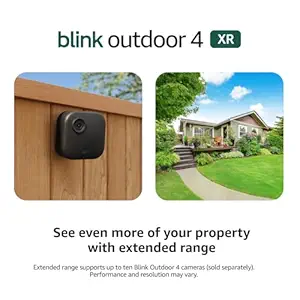
The Blink Outdoor 4 XR with its claimed two-year battery is the camera ranchers actually deploy on remote line shacks, calving sheds, and gates that are six miles from the nearest outlet. You will not get 4K and you will not get color night vision, but you will get a small, easy-to-replace unit that runs on AA lithium cells through a North Dakota winter without complaining. The four-camera kit is the sweet spot for covering a yard, two gates, and a barn. See it at Blink Outdoor 4 XR 4-camera kit on Amazon.
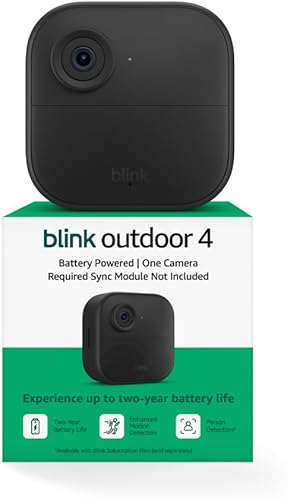
Best single-camera add-on: Blink Outdoor 4
When you have already got a Sync Module 2 in the ranch house and you just need to drop one more eye on a new corral, the standard Blink Outdoor 4 is the cheapest sensible answer. It shares the same two-year battery promise as the XR, integrates with the same app, and tolerates the same temperature extremes. Check the latest price on the Blink Outdoor 4 here.
Best higher-resolution Blink option: Blink Outdoor 2K+
If you have been disappointed by 1080p Blink footage when trying to read a license plate on a vehicle leaving your driveway, the Blink Outdoor 2K+ is the 2026 upgrade that closes most of the gap with Arlo without leaving the Blink ecosystem you may already own. View the Blink Outdoor 2K+ on Amazon.
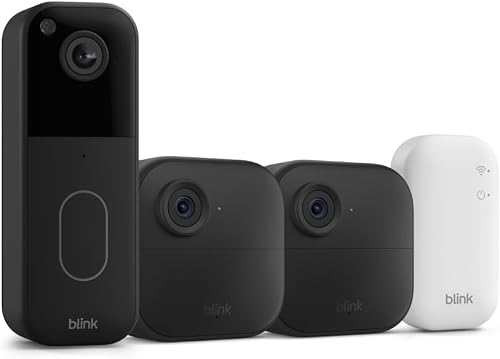
Best bundled system: Blink Outdoor 4 Security Camera System
For ranchers starting from zero, the bundled Blink Outdoor 4 system pairs the cameras with the Sync Module, mounts, and batteries in one box, which is genuinely useful when you live two hours from the nearest electronics store and do not want to discover a missing mounting screw at sunset. See the full Blink Outdoor 4 system bundle here.
Best dual-lens alternative: aosu T2 Pro 3K Dual Cam
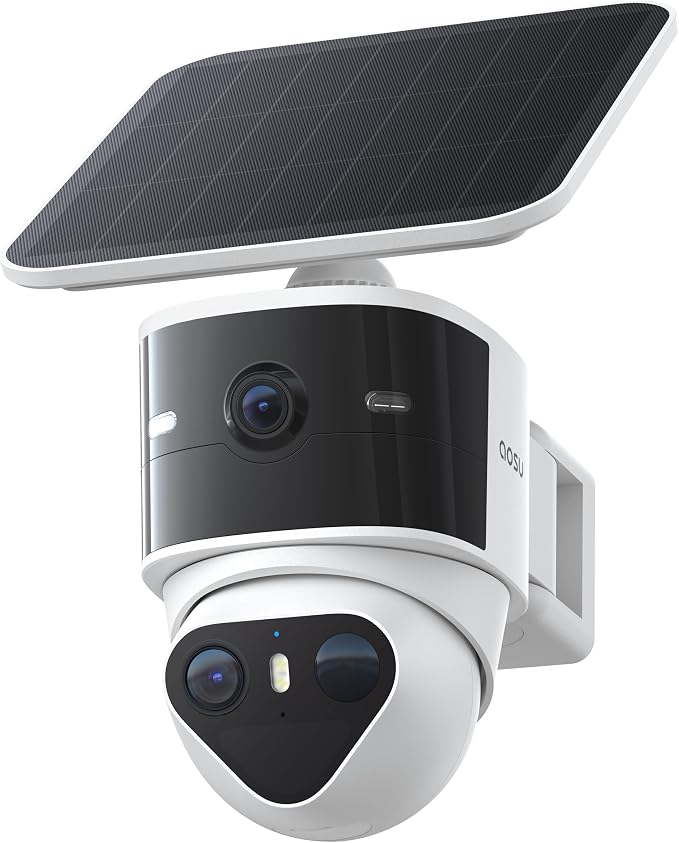
If the Eufycam 3 Pro is out of stock or out of budget, the aosu T2 Pro is the most prairie-credible alternative we tested in 2026. Its dual-lens design lets you simultaneously track wide context (the whole driveway) and zoom (the license plate) without buying two cameras, and the 3K sensor handles the high-contrast bright-snow conditions that ruin 1080p cameras. View the aosu T2 Pro 3K dual cam on Amazon.
How to actually mount these on a prairie ranch
Wind is the silent feature killer. A camera that vibrates 2 mm at 45 mph will trigger motion alerts every gust and burn battery for nothing. Use a t-post pounded 4 feet into the ground, then sleeve a 1.5" galvanized pipe over it and bolt the camera to the pipe with a stainless U-bracket. Skip the plastic suction or magnetic mounts that work fine on a brick porch; they do not survive a chinook. For solar charging, face the panel due south at your latitude minus 15 degrees, not flat: snow slides off, dust rinses off in rain, and you gain 20-30% winter generation.
For more on hardening your installation, see our guide to wind-rated outdoor camera mounts and the companion piece on keeping solar cameras charged through prairie winters.
Frequently Asked Questions
Can the Eufycam 3 Pro really run year-round on solar in the northern prairies?
In most of Alberta, Saskatchewan, Montana, and North and South Dakota, yes, provided the panel faces south, is tilted, and is wiped clear of accumulated snow once or twice per month in deep winter. The 2.1W integrated panel produces a small surplus even on a 4-hour December day if you are not pulling 50+ events per day. If you average more than 80 motion events daily through January, plan to swap to mains power or supplement with the larger external Eufy solar panel.
Does the Arlo Pro 5S 2K work without an Arlo Secure subscription on a remote ranch?
It works as a live-view doorbell-style camera and will save clips to a local SmartHub with an SD card, but you lose smart object detection, activity zones, and 30-day cloud history. For most ranchers, the value of recorded footage of a stranger by the fuel tank outweighs the subscription cost, but if you are committed to no monthly fees, the Eufycam 3 Pro is the more honest choice.
What about cellular cameras instead of Wi-Fi for the far pastures?
Cellular cameras are a legitimate third category for sections that are simply too far from any Wi-Fi hub. They require an LTE plan per camera and only work where you actually have signal. For perimeter coverage at the headquarters, a hub-and-Wi-Fi system like Eufy or Arlo beats cellular on cost. For a remote gate four miles from the house, a dedicated LTE camera or a Starlink mini paired with a Wi-Fi camera is the right architecture.
Will coyotes, deer, or cattle trigger constant false alerts?
Both Eufy and Arlo offer animal detection that lets you choose whether to alert on animals or suppress them. On Eufy, the HomeBase 3 runs the classifier locally; on Arlo, it requires the Secure subscription. The Blink cameras have basic person detection but are less accurate at separating a calf from a person at 80 feet, which is why we treat them as supplements, not primary headquarters cameras.
How do I keep batteries warm enough to charge in a prairie winter?
Lithium-ion batteries refuse to accept charge below about 32°F, which is a problem from November through March in the northern plains. Mount cameras under an eave or overhang that retains a few degrees of warmth, or use a small foam shroud around the body that still lets the lens see. Eufy and Arlo both ship with batteries rated to discharge in cold but not necessarily to charge in it, so winter performance hinges on micro-siting more than on the camera brand.

Are there video doorbell options that make sense for a ranch house?
Yes, but treat them as a supplement to perimeter cameras, not a substitute. A doorbell tells you who is at the kitchen door; it cannot tell you a stock trailer just pulled up to the back gate half a mile away. See our breakdown of the best video doorbells for rural properties for the pairing approach we recommend in 2026.
What is the single biggest mistake people make installing cameras on a ranch?
Mounting them too high. A camera 18 feet up on the barn looks great in product photos but gives you a bird's-eye view that cannot identify faces or license plates. Mount perimeter cameras at 8-10 feet, angled slightly down, where a human face passes through the frame at recognizable resolution. Save the high mounts for wide-area context cameras that pair with a lower identification camera. This single change matters more than any spec on the box.
Key Takeaways
- Choosing the right Eufycam 3 Pro vs Arlo Pro 5S for prairie ranches means matching capacity and output ports to your actual devices
- Always check actual watt-hours (Wh), not just watts — runtime depends on Wh, not peak output
- Also covers: Eufycam 3 Pro prairie ranch camera
- Also covers: Arlo Pro 5S windswept ranch monitoring
- Also covers: comparing Eufy Arlo for open plains
- Compare price-per-Wh across models to find the best value for your budget