For rural veterinary clinic kennels in 2026, the Lorex 2K vs Swann Master Series for vet clinic kennels question comes down to recording reliability versus weatherproof durability. Lorex 2K wired NVR systems win for clinics that need uninterrupted 24/7 footage of recovering animals, color night vision over individual runs, and local storage that does not depend on rural broadband. Swann Master Series edges ahead when your kennel block sits in a detached barn, faces dust and disinfectant spray, and needs PoE cameras rated for wider temperature swings. Most rural clinics end up with Lorex inside the kennel ward and a hardened outdoor system covering perimeter and parking.
Quick verdict: which system fits a rural kennel ward?
Top Picks
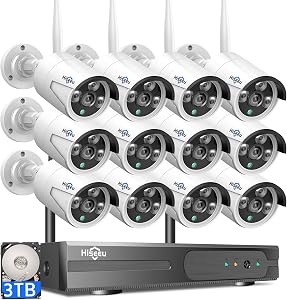
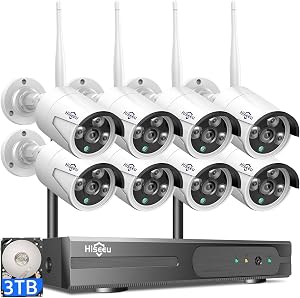
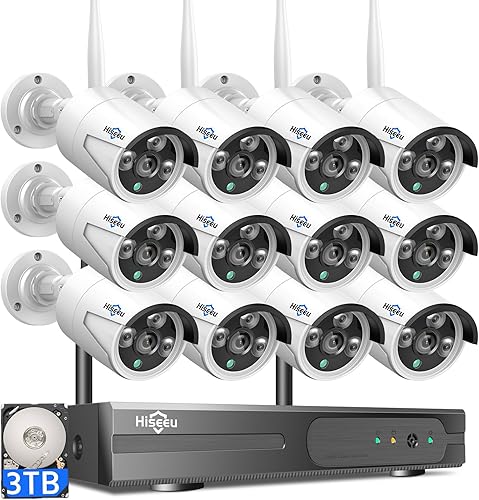
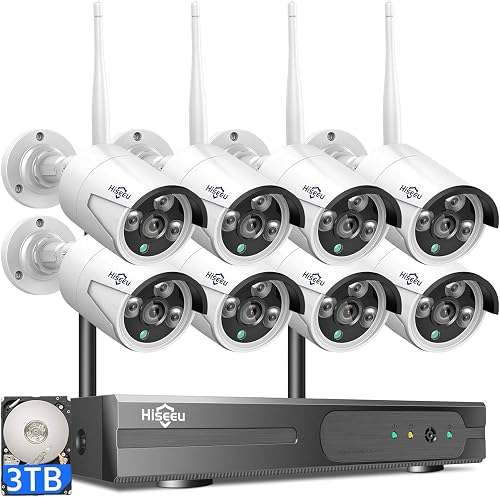
If you board, recover, or quarantine animals overnight and your priority is reviewing the last 30 days of every cage, choose Lorex 2K. The 2K (4MP) sensor resolves enough detail to read kennel cards and spot subtle distress signs like flank breathing or seizure activity, and the included NVR pulls hard drives that can be sealed in an evidence bag if a liability question ever arises. If your bigger concern is theft from the medication shed, livestock break-ins, or covering an outdoor exercise yard a hundred feet from the building, Swann Master Series cameras (especially the PoE 4K bullet models) take rougher weather and feed a similar local NVR.
Neither brand is perfect for a rural site. Lorex 2K cabling runs are limited to roughly 300 ft of Cat6 without a midspan, and Swann's mobile app has historically lagged Lorex's on remote review. That is why we also recommend layering in a battery-powered wireless system for kennel-adjacent areas where running conduit through cinderblock is impractical.
What rural veterinary kennels actually need from a camera system
Before we go deeper into the Lorex 2K vs Swann Master Series for vet clinic kennels comparison, the requirements list for a country veterinary practice looks different from a suburban home:
- Local-first recording. Rural DSL or fixed wireless cannot reliably upload 16 channels of 2K video to the cloud. You need an NVR or local hub.
- True low-light performance. Kennels run on dim red night lighting to keep recovering animals calm. Color night vision and a low lux rating matter more than megapixels.
- Audio capture. A whimpering post-op patient or a seizing dog may be heard before seen. Cameras need built-in mics with reasonable gain.
- Disinfectant-tolerant housings. Kennels get hosed down with quaternary ammonium or accelerated hydrogen peroxide. IP66 minimum.
- Tamper resistance. Power outages from summer storms and curious patients (and the occasional client) all threaten cameras.
- HIPAA-adjacent privacy. While veterinary records are not federally protected like human PHI, state board rules increasingly require secured patient imagery.
Lorex 2K systems: where they shine in a kennel ward
Lorex 2K cameras (typically the E892AB bullet and similar dome models bundled with the N842 or N863 NVR) hit a sweet spot for indoor kennel rows. The 4MP sensor at 2K resolution is sharp enough to identify individual animals from a 25-foot aisle, and Lorex's Smart Motion Detection can be tuned to ignore stationary cages while alerting on a dog standing up unexpectedly. The included NVR records continuously to a sealed hard drive, with optional 4TB or 8TB upgrades giving you 30 to 60 days of rolling 16-channel storage.
Color night vision on the newer Lorex 2K models is genuinely useful in a kennel ward lit only by exit signs. We have used these to confirm that a sedated patient was breathing normally without entering the room and disturbing other animals.
The downside: Lorex's outdoor cameras are rated IP67 but their plastic housings yellow after a few years of UV exposure on a sunny rural property, and the PoE switch inside the NVR can be fussy if you exceed 250 ft of Cat6 to a remote barn.
Swann Master Series: where it wins for the perimeter
Swann Master Series cameras (the 4K Enforcer bullets and the newer SWNVK kits) are built around metal housings and a more aggressive IR cut filter. For a detached kennel building, livestock barn, or an isolated medication shed, Swann's spotlight-equipped bullets do a better job of actually deterring intruders than Lorex's passive IR floods. The Master Series NVR also accepts a wider range of third-party ONVIF cameras, which matters if you want to mix in a thermal sensor over a quarantine run later.
Swann's weaknesses for a vet clinic: the SwannSecurity app is functional but slower than Lorex's on rural cell signal, and the audio gain on Master Series bullets is lower, meaning you may not hear a quiet whine across a 12-foot kennel.
Comparison table: Lorex 2K vs Swann Master Series for vet clinic kennels
| Feature | Lorex 2K (wired NVR) | Swann Master Series (wired NVR) |
|---|---|---|
| Best resolution per camera | 2K / 4MP | 4K / 8MP |
| Color night vision | Yes, strong | Yes, with spotlight |
| Audio capture quality | Higher gain mic, good for kennels | Lower gain, better outdoors |
| Weatherproof rating | IP67 plastic | IP66 metal |
| Local storage | 2TB-8TB NVR HDD | 2TB-12TB NVR HDD |
| Cable run tolerance | ~250 ft Cat6 reliable | ~300 ft Cat6 reliable |
| Mobile app responsiveness | Faster on slow rural links | Slower, but stable |
| Best use in clinic | Indoor kennel rows, recovery | Perimeter, barns, parking |
| ONVIF third-party support | Limited | Broader |
Wireless options to layer in: barn corners, isolation rooms, and exercise yards
Neither Lorex nor Swann is easy to run into outbuildings without conduit. For the chicken coop your large-animal vet uses as a temporary recovery room, the back exercise yard, or the medication trailer, battery-powered cameras fill the gap. These pair well with either wired NVR system because they handle areas where pulling Cat6 is not practical.
Best wireless add-on for isolation rooms and detached buildings
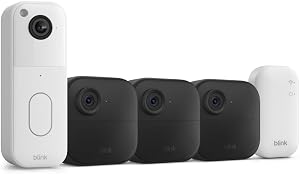
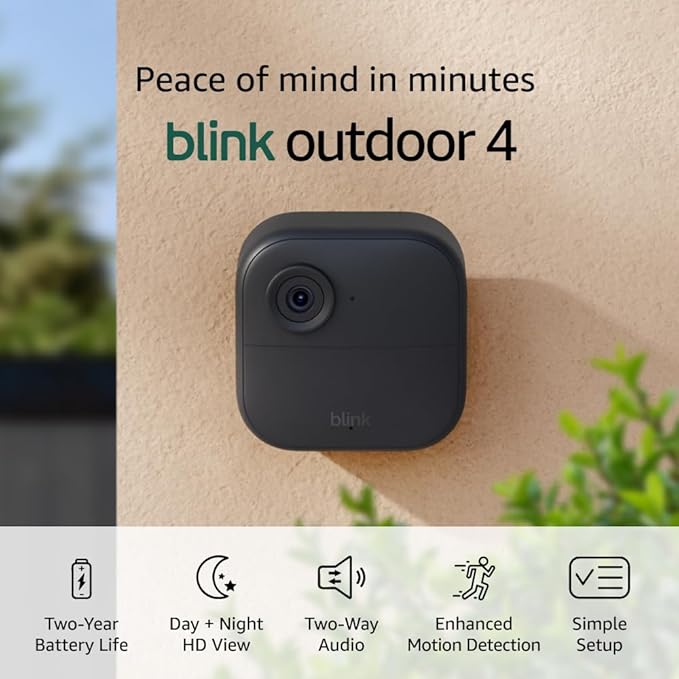
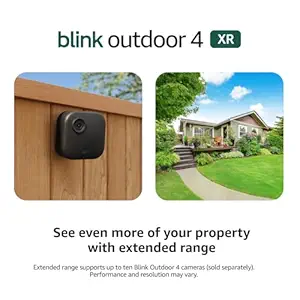
The Blink Outdoor 4 XR Wireless Camera (4-cam kit) gives you a two-year battery life per camera and a longer wireless range than the standard Blink Outdoor, which matters when your isolation building is 80 ft from the main clinic. Pair it with a Sync Module 2 plus a USB drive for local clip storage so you are not dependent on rural broadband for every alert. Check the Blink Outdoor 4 XR 4-cam kit on Amazon.
Best single wireless camera for a kennel exit door
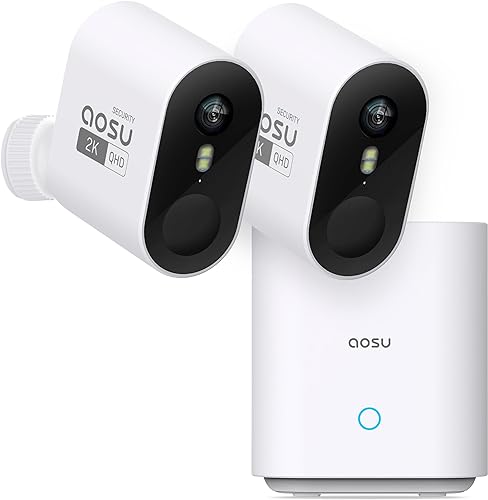
The Blink Outdoor 4 Wireless Smart Security Camera covers the back kennel exit, the dumpster pad, or the loading dock where you transfer patients from trailers. Two-year battery life means you change batteries on the same schedule as your smoke detectors. Person Detection (with a Blink Subscription) helps you ignore the barn cats. See the Blink Outdoor 4 on Amazon.
Best wireless system kit for a small mixed-animal clinic
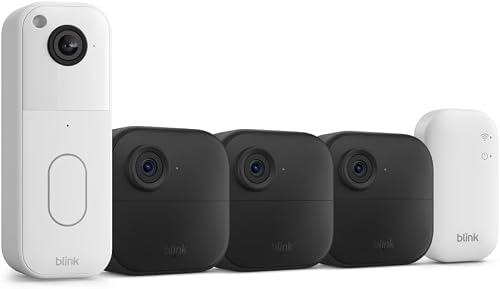
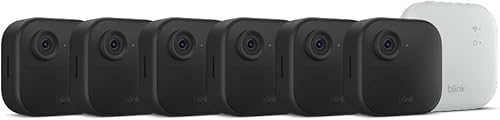
If you are starting from scratch and want a simple kit before deciding on a wired Lorex or Swann NVR, the Blink Outdoor 4 Wireless Security Camera System bundles multiple cameras with the Sync Module 2. This is enough to monitor a small kennel ward, the front entry, and a back door without a single drill bit going into a wall. View the Blink Outdoor 4 system kit on Amazon.
Best higher-resolution wireless camera for medication storage
For a controlled-substance cabinet or the surgical suite supply room, you want enough resolution to read a label on a vial. The Blink Outdoor 2K+ Wireless Smart Security Camera bumps resolution from 1080p to true 2K, narrowing the gap with Lorex 2K wired cameras while staying battery powered. Check the Blink Outdoor 2K+ on Amazon.
Best dual-lens wireless for a long kennel hallway
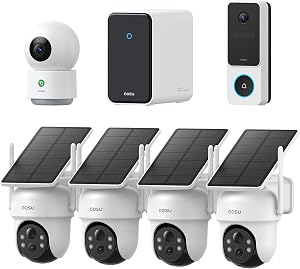
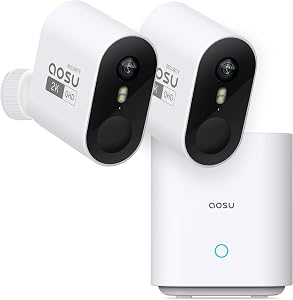
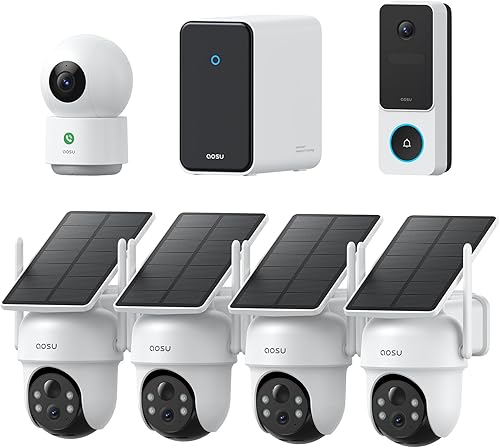
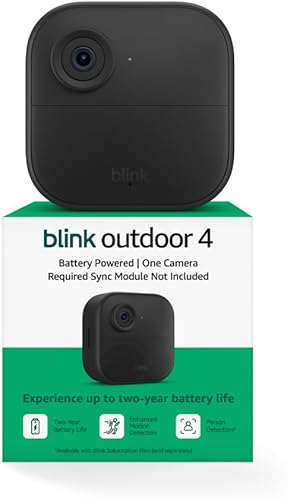
A long kennel aisle is where single-lens battery cameras struggle: either the close cages are sharp and the far ones are blurry, or vice versa. The aosu T2 Pro 3K Dual Cam pairs a wide lens with a telephoto lens so you can see both the cage in front of the camera and the cage at the end of the aisle in one feed. For a rural clinic that wants one camera to cover a 30-ft hallway, this is the most flexible wireless option. See the aosu T2 Pro on Amazon.
Installation tips specific to rural veterinary clinics
A few field notes from clinics we have worked with:
- Mount cameras 8 to 9 ft high above kennels. Higher than that and you lose detail; lower and you risk patient or staff contact during transfers.
- Aim slightly down-aisle, not straight down. A 15-degree downward tilt covers more cages per camera.
- Put the NVR in a locked office, not the kennel ward. Disinfectant fog and hard drives do not mix.
- Use a UPS for the NVR. Rural power flickers are the number one cause of corrupted Lorex hard drives we see.
- Document signage. Some states require visible notice that audio is being recorded. Check your state veterinary board guidance.
Total cost: a realistic 2026 budget for a 12-kennel rural clinic
For a single-veterinarian rural clinic with a 12-run kennel ward, a quarantine room, a barn-based large-animal recovery stall, and a parking lot:
- 8-channel Lorex 2K NVR kit with 4 wired cameras: covers kennel ward and recovery
- 2 Swann Master Series bullets on the barn and parking lot perimeter: ~$400 added
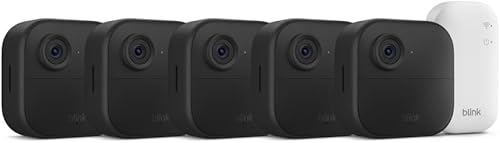
- Blink Outdoor 4 XR 4-cam wireless kit: covers isolation, exit doors, dumpster, and medication trailer
- UPS for NVR: ~$150
- Optional Blink Subscription Plus: ~$100/year for unlimited cameras
Total first-year hardware investment lands around $1,400 to $1,900 depending on storage upgrades. Compare that with the cost of a single liability claim from a missed kennel incident and the math is straightforward.
For related setups, see our guides on PoE cameras for rural barns, wireless cameras for large-animal recovery stalls, and securing controlled-substance cabinets with cameras.
Frequently Asked Questions
Are Lorex 2K cameras good enough to spot a recovering animal in distress overnight?
Yes, for most species and most distress signals. The 4MP sensor combined with color night vision (or a low-lux IR mode) captures enough detail to see flank movement, posture changes, and seizure activity from 15 to 20 feet. For very small animals like rats or birds in incubators, you may want a closer-mounted camera or a dedicated 4K model from either Lorex or Swann.
Can Swann Master Series cameras handle daily disinfectant spray-downs in a kennel?
The metal-housing IP66 Swann Master Series bullets tolerate occasional incidental spray, but you should not aim a pressure washer directly at them. Mount cameras at least 8 ft up and outside the typical spray cone. For a fully washable environment, hose-down rated cameras specifically marked IP69K are a better choice, though they are rare in the consumer/SMB price range.
Will a Lorex 2K system work without high-speed internet at a rural clinic?
Yes, this is one of Lorex's biggest advantages. The NVR records locally to its hard drive whether or not the internet is up. You only need bandwidth for remote viewing through the app or for cloud backup of clips. Even on a 5 Mbps DSL line, you can review recordings from your phone, though live streaming may stutter.
How long does the hard drive in a Lorex or Swann NVR actually last in a clinic environment?
Purpose-built surveillance drives (Seagate SkyHawk, WD Purple) typically run 3 to 5 years under 24/7 write loads. In our experience with rural clinics, the failures are almost always power-related (storm flickers, generator transitions) rather than drive wear. A UPS extends drive life dramatically. Plan to swap drives proactively at year 4.
Do I need an attorney to review camera placement for veterinary liability reasons?
Probably not for placement, but yes for retention policy. Cameras in treatment areas, kennels, and lobbies are widely accepted; cameras in restrooms or staff break rooms invite legal exposure. The bigger legal question is how long you retain footage, who can request it (clients, boards, law enforcement), and how you respond to subpoenas. A 30 to 90 day retention with documented destruction is a reasonable baseline that your state veterinary association or attorney can refine.
What is the cheapest way to add cameras to a detached barn or quarantine building?
Battery-powered wireless cameras like the Blink Outdoor 4 or Blink Outdoor 4 XR avoid the cost of trenching conduit between buildings. Range depends on your Sync Module 2 placement and any walls in between; for a barn 50 to 100 ft from the main building with line of sight, the XR version is the safer pick. You can extend Wi-Fi to the outbuilding with a mesh node or directional antenna to keep the cameras connected reliably.
Should I pick Lorex 2K or Swann Master Series if I can only afford one wired system in 2026?
For a rural veterinary clinic where the primary value is recording kennel activity for medical and liability documentation, choose Lorex 2K. The audio quality, indoor low-light performance, and faster mobile app on slow rural connections matter more day-to-day than Swann's slight edge in outdoor durability. Add a couple of cheaper wireless cameras to cover the parking lot and barn, and you have the same coverage at a lower total cost than a full Swann Master Series install.
Key Takeaways
- Choosing the right Lorex 2K vs Swann Master Series for vet clinic kennels means matching capacity and output ports to your actual devices
- Always check actual watt-hours (Wh), not just watts — runtime depends on Wh, not peak output
- Also covers: vet clinic kennel camera comparison
- Also covers: Lorex vs Swann animal hospital
- Also covers: rural veterinary surveillance system
- Compare price-per-Wh across models to find the best value for your budget