For growers fighting overnight fruit theft, the short answer to reolink argus 4 pro vs eufycam 3 for orchards is this: pick the Reolink Argus 4 Pro when you need 4K dual-lens coverage of wide rows and have at least intermittent Wi-Fi or a solar repeater, and pick the EufyCam 3 when battery autonomy, true local storage, and a HomeBase hub matter more than maximum resolution. Both cameras handle rain, sub-freezing nights, and motion zones around fruit trees, but they solve the orchard problem in different ways — one favors image evidence, the other favors uptime.
Quick Verdict: Which Camera Catches More Fruit Thieves in 2026?
Top Picks
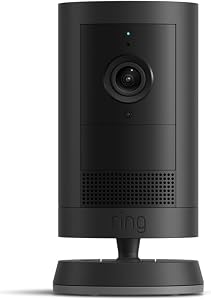
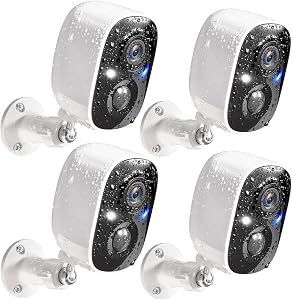
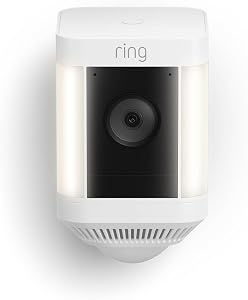
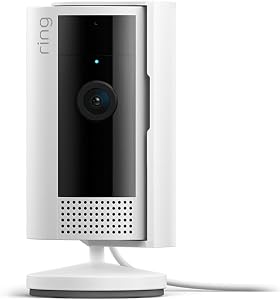
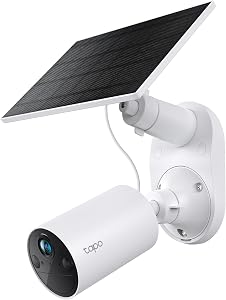
If your orchard is under 5 acres with house Wi-Fi reaching the edge, the Reolink Argus 4 Pro is the stronger pick. Its 4K UHD sensor with 180° horizontal field of view captures plate numbers, faces, and color of clothing from a single pole-mounted unit — exactly the evidence sheriffs ask for when prosecuting agricultural theft. Color night vision (no IR flood) means thieves don't see the camera's IR signature glowing from a tree line.
If your orchard is larger, off-grid, or you rotate cameras between blocks during harvest, EufyCam 3 wins. The 4K sensor is slightly narrower (135°) but the HomeBase 3 gives you 1TB of local AI storage, on-device face recognition, and a solar panel rated to keep batteries topped off through cloudy harvest weeks. No monthly fee, no cloud dependence — which matters when LTE coverage at the back of the property is spotty.
Reolink Argus 4 Pro vs EufyCam 3 for Orchards: Side-by-Side
| Spec | Reolink Argus 4 Pro | EufyCam 3 (S330) |
|---|---|---|
| Resolution | 4K UHD (3840×2160), dual lens stitched | 4K UHD (3840×2160), single lens |
| Field of view | 180° horizontal | 135° horizontal |
| Night vision | Color (ColorX, no spotlight needed) | Color w/ spotlight, IR fallback |
| Battery life | ~4-6 months with solar panel | ~365 days standby, solar-ready |
| Weather rating | IP66 | IP67 |
| Local storage | microSD up to 512GB on-camera | 1TB inside HomeBase 3 (expandable) |
| Wi-Fi | Dual-band 2.4/5GHz | Sub-GHz to HomeBase, then Wi-Fi |
| Subscription required | No (local recording free) | No (local recording free) |
| Best for | Single high-value choke point | Multi-camera rotating coverage |
Why Orchards Are a Hard Camera Problem
Most outdoor cameras are designed for driveways and backyards — environments with porch lights, Wi-Fi within 50 feet, and a wall to bolt onto. An orchard breaks every one of those assumptions. Rows are 15-22 feet wide, trees throw deep shadows from low fruit canopies, deer and raccoons trigger false alerts all night, and the closest power outlet is in the equipment shed a quarter mile away. Comparing the reolink argus 4 pro vs eufycam 3 for orchards is really a comparison of two engineering philosophies for that environment: maximize per-frame detail, or maximize unattended runtime.
For a deeper look at off-grid options, see our guide to solar-powered security cameras for farms, which covers the panel-and-battery math you'll need either way.
Reolink Argus 4 Pro: Best for Wide-Row Identification Shots
The Argus 4 Pro's defining feature is its dual-lens stitching at 180°. A single camera mounted on a 12-foot pole at the end of a row can cover the full width of the avenue plus the adjacent two rows. ColorX night vision uses a large f/1.0 aperture instead of an IR floodlight, so the camera is visually invisible at night — thieves carrying flashlights won't see the red IR glow that gives away a Eufy or Arlo unit at 30 yards.
Downsides for orchard use: the 4K stream is bandwidth-hungry, so if you're relaying through an LTE router you'll burn data quickly unless you set it to record locally and only push thumbnails. The battery alone won't last a harvest season; budget for the Reolink solar panel from the start.
Pair the Argus 4 Pro with a wider-perimeter mesh of cheaper battery cameras at each gate — that's where the Blink-class units below earn their place.
EufyCam 3: Best for Off-Grid Multi-Camera Coverage
EufyCam 3's built-in 2W solar panel and 13,400mAh battery are the right answer when your nearest outlet is in the barn. The proprietary sub-GHz radio to HomeBase 3 reaches about 800 feet line-of-sight through tree cover (less in dense canopy mid-summer), so one HomeBase mounted in a packing shed can serve 4-8 cameras spread across the property. The HomeBase 3 also runs on-device AI for human, vehicle, and animal recognition — critical when deer trip motion every 12 minutes.
For a side-by-side against other Eufy ecosystem options, see EufyCam 3 vs Arlo Pro 5S for rural properties.
Best Companion Cameras for Orchard Perimeters
Neither flagship is cheap, and most orchard owners don't want $400 cameras at every gate and equipment shed. The picks below are the workhorses we recommend deploying alongside an Argus 4 Pro or EufyCam 3 — covering entry roads, irrigation pumps, and packing sheds where 4K isn't required but reliable motion alerts are.
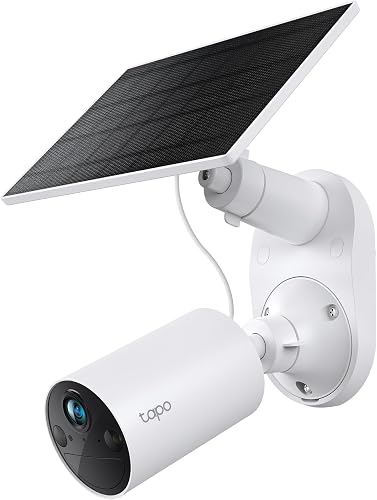
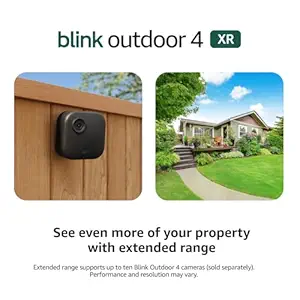
Blink Outdoor 4 XR (4-Cam Kit) — Best Perimeter Mesh for Multi-Acre Orchards
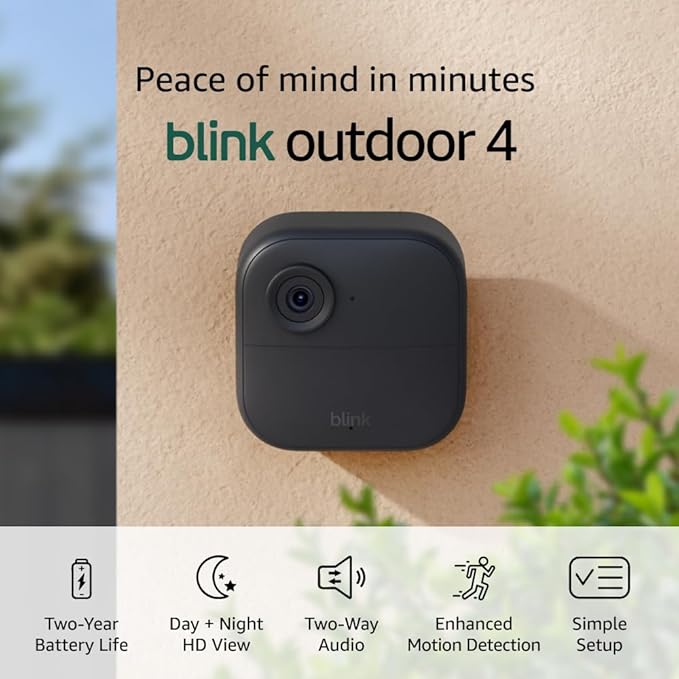
The XR variant extends Wi-Fi range over the standard Outdoor 4, which is what you want when cameras live at the far corners of the property. Two-year battery life on two AA lithium cells means you swap batteries during pruning season and forget about them. The four-camera kit covers gates, equipment shed, packing area, and main road approach without a per-camera subscription if you add a Sync Module 2 with USB storage. Check the Blink Outdoor 4 XR 4-cam kit on Amazon.
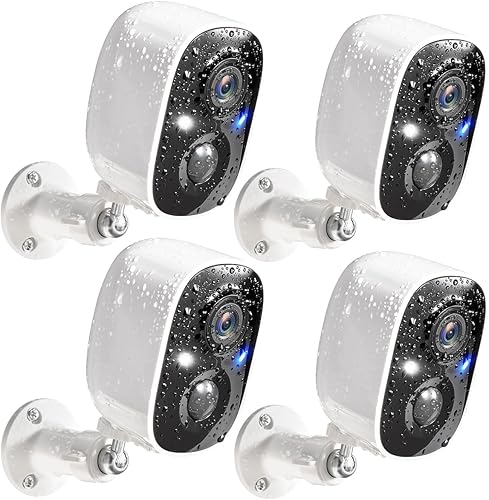
aosu T2 Pro 3K Dual Cam — Best Mid-Tier Alternative to the Argus 4 Pro
If the Reolink Argus 4 Pro's price tag stings, the aosu T2 Pro is the closest dual-lens 3K substitute we've tested. The wider lens covers a row from a corner post and the telephoto picks out faces near the gate. Color night vision with selectable spotlight, IP66, and local storage with no subscription — a fair compromise when you need three cameras at this tier instead of one flagship. Check the aosu T2 Pro 3K Dual Cam on Amazon.
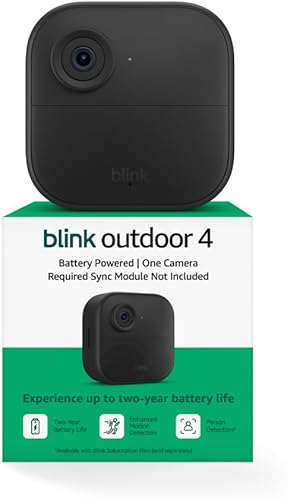
Blink Outdoor 4 Single Camera — Best Cheap Add-On for Equipment Sheds
For a packing shed or pump house where you just need to know if someone opened the door, the single Outdoor 4 is the lowest-cost reliable option. Two-year battery life, person detection (with subscription) or basic motion alerts (free), and Alexa integration so the in-house monitor in the farmhouse announces motion events. Check the Blink Outdoor 4 single camera on Amazon.
Blink Outdoor 2K+ — Best Resolution Bump for Approach Roads
The newer 2K+ variant doubles the pixel count of the older 1080p Blinks, which finally makes license plate capture realistic at 25-30 feet — the typical distance from a corner post to a dirt access road. Same Sync Module 2 ecosystem, same battery life claims, no new hub to buy if you already run Blink elsewhere on the property. Check the Blink Outdoor 2K+ on Amazon.
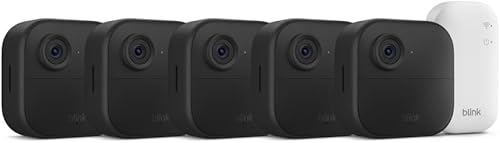
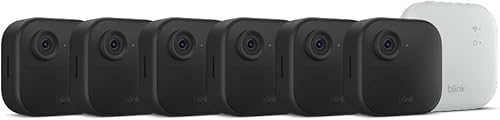
Blink Outdoor 4 System Bundle — Best Starter Kit Before Adding the Flagship
If you're building from zero this harvest season, this bundle with Sync Module 2 is the cheapest way to get four working cameras live in an afternoon. Add the Argus 4 Pro or EufyCam 3 later as the “identification camera” over the highest-loss block. Check the Blink Outdoor 4 system bundle on Amazon.
How to Mount Either Flagship in an Orchard Row
Mount height is the single biggest factor in identification-quality footage. Below 8 feet, thieves can knock the camera off the pole; above 14 feet, the angle is too steep to capture faces under hat brims. The sweet spot for both the Argus 4 Pro and EufyCam 3 is 10-12 feet on a treated 4×4 post buried 30 inches with concrete, placed at the corner of the highest-loss block so the lens covers two row entries diagonally. For solar panels, face them due south at 35-45° tilt and clear branches that will leaf-out and shade them by July.
What About Cellular Trail Cameras Instead?
A reasonable question — and for properties where Wi-Fi doesn't reach and a HomeBase deployment is impractical, an LTE trail camera is sometimes the better answer. We cover that scenario separately in our best cellular trail cameras for farms guide. The short version: trail cameras are better for true wilderness blocks where you tolerate 5-15 minute notification delays, while the Argus 4 Pro and EufyCam 3 give you live-view and audible deterrent within seconds.
Frequently Asked Questions
Which is better for catching fruit thieves at night, Reolink Argus 4 Pro or EufyCam 3?
The Reolink Argus 4 Pro is better at night for identification because ColorX uses a wide-aperture lens instead of IR floodlight, so you get true color footage without alerting the intruder. The EufyCam 3 produces cleaner footage when its spotlight is enabled, but that spotlight visibly tells the thief they've been seen — useful as deterrent, bad for evidence.
How many cameras do I need to cover a 10-acre orchard?
Plan for one identification-grade camera (Argus 4 Pro or EufyCam 3) per major block at the corner pole, plus 3-5 perimeter cameras at gates, equipment sheds, and the main access road. For a 10-acre layout that typically means 2 flagships plus a 4-camera Blink Outdoor 4 XR kit for the perimeter mesh.
Will EufyCam 3 work without Wi-Fi at the back of my property?
The cameras themselves don't need Wi-Fi — they talk sub-GHz to the HomeBase 3, which is the only device that needs an internet connection. If your packing shed has Wi-Fi, you can place HomeBase there and run cameras up to ~800 feet line-of-sight into the orchard. Beyond that, you'd add a second HomeBase or a Wi-Fi extender to the shed.
Does the Reolink Argus 4 Pro need a subscription?
No. The Argus 4 Pro records locally to a microSD card up to 512GB with no monthly fee. Reolink Cloud is optional if you want offsite backup. For orchard use, local recording is preferred because cellular bandwidth is usually limited and expensive.
How do I stop deer and raccoons from triggering false alerts all night?
On the EufyCam 3, enable on-device human-only detection in the Eufy Security app — the HomeBase 3 AI filters out animals before pushing notifications. On the Argus 4 Pro, set motion zones to exclude the lower 30% of the frame (where small animals walk) and enable person/vehicle smart detection. You'll go from 200 alerts a night down to 2-5.
Can either camera survive winter in a northern orchard?
Yes. The EufyCam 3 is rated to -4°F operating, the Argus 4 Pro to -10°F. Battery performance degrades in extreme cold, so in zones colder than -10°F plan to bring batteries inside between checks, or wire to a small solar+lithium-iron-phosphate battery box rated for sub-zero cycling.
Is the Reolink Argus 4 Pro worth twice the price of a Blink Outdoor 4 XR for orchards?
Only at the highest-value choke point — typically the gate of your highest-revenue block. For perimeter mesh, the Blink Outdoor 4 XR delivers 90% of the practical value at less than half the price. The right setup is one Argus 4 Pro (or EufyCam 3) plus a Blink mesh, not four Argus 4 Pros. For a deeper dive on the flagship itself, see our full Reolink Argus 4 Pro review.
Bottom Line on Reolink Argus 4 Pro vs EufyCam 3 for Orchards
The honest answer to reolink argus 4 pro vs eufycam 3 for orchards in 2026: pick the Argus 4 Pro if you have one high-loss block and want courtroom-quality 4K identification at a single pole, and pick the EufyCam 3 if you're building a multi-camera rotating system around a HomeBase 3 with on-device AI. Most orchards under 20 acres benefit more from one flagship plus a Blink Outdoor 4 XR perimeter mesh than from running three or four flagships — your dollar-per-deterrence is much higher that way.
Key Takeaways
- Choosing the right reolink argus 4 pro vs eufycam 3 for orchards means matching capacity and output ports to your actual devices
- Always check actual watt-hours (Wh), not just watts — runtime depends on Wh, not peak output
- Also covers: orchard theft prevention camera
- Also covers: fruit tree security camera comparison
- Also covers: reolink argus 4 pro orchard setup
- Compare price-per-Wh across models to find the best value for your budget